
Understanding the Limitations of Traditional Waste Systems
When it comes to managing waste at home, many rely on a garbage disposal system. These devices are convenient and can handle everyday food scraps with ease. But when dealing with large items, their efficiency begins to wane. Large items can clog the system, cause mechanical issues, and lead to costly repairs. Knowing why these systems fall short is essential for maintaining a smooth household operation.
The Role of Kitchen Waste Systems
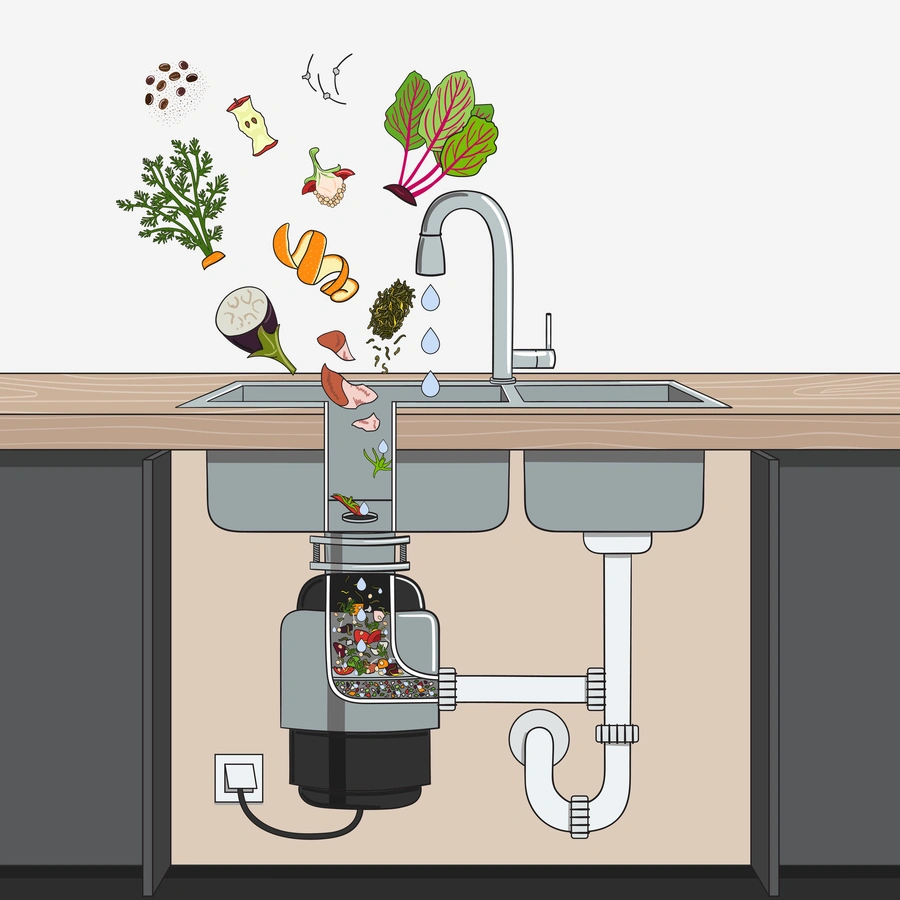
A kitchen waste system efficiently grinds small food particles, sending them into the plumbing. However, when you place large bones or bulky vegetables in the unit, the motor can struggle. Such items can jam the blades or require excessive power to process. Using your garbage disposal for oversized materials can lead to a breakdown, leaving you without this handy tool when you need it.
Potential Risks of Using Inappropriately
Placing large objects in a waste disposer poses various risks. It may damage the appliance’s internal mechanisms, leading to frequent malfunctions. This often results in higher utility bills due to inefficient energy use and increased water consumption as the system tries to manage what it’s not designed for.
Alternatives for Handling Large Waste
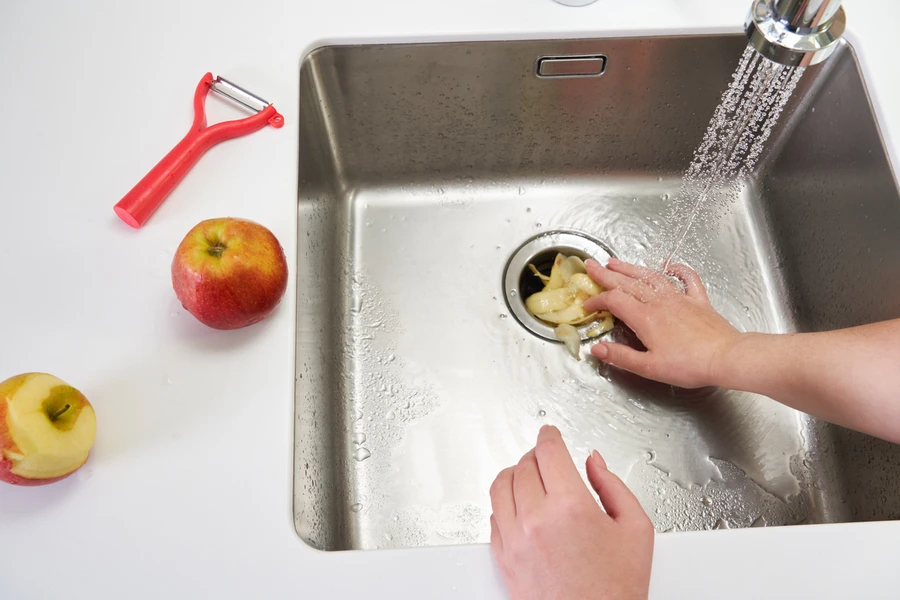
Addressing the limitations requires alternative solutions for large waste items. Consider composting organic materials like peels and rinds instead. Composting turns these wastes into valuable soil nutrients while keeping them out of your pipes. For non-organic large items, recycling or trash bins are better options, reducing strain on your home’s plumbing.
Maintaining Your Waste System Correctly
To prolong the life of your kitchen waste system, regular maintenance is key. Clean the device monthly by grinding ice cubes and citrus peels to remove build-up and odors. Avoid using harsh chemicals that might corrode metal parts, ensuring your unit functions optimally over time.
- Grind ice cubes periodically to keep blades sharp
- Use citrus peels to neutralize odors naturally
- Avoid pouring grease or oil down the drain
- Schedule professional inspections annually
Industry Recommendations for Disposal Systems
Experts suggest a multi-faceted approach to waste management in modern kitchens. They advocate for the separation of biodegradable from non-biodegradable items. Investing in high-capacity units or those with advanced features can also help handle larger loads more efficiently without risk of damage.
Financial Implications of Repairs and Replacements
The cost of repairing an overloaded disposal system can be significant. Mechanical failures necessitate professional intervention, often requiring part replacements that add up. In contrast, proper usage extends the lifespan of your equipment, saving money on unexpected expenses.
Your Next Steps in Waste Management
For homeowners looking to improve waste handling practices, it’s crucial to recognize the limitations of traditional systems. By adopting alternative methods such as composting and recycling, you reduce wear on your appliances while contributing positively to environmental health. Contact Westcoast General Services at (949) 485-8291 for expert advice on sustainable waste solutions. Located in Orange, CA, our team is ready to assist with tailored strategies that meet your needs.